
November 1, 2025
Nature Squamish and the Sea to Sky Invasive Species Council (SSISC) are raising awareness about six invasive plants that are causing trouble in Squamish. These plants are of high-priority in this area due to the harm they cause to the environment, the economy, and human and animal health.
- Tansy ragwort
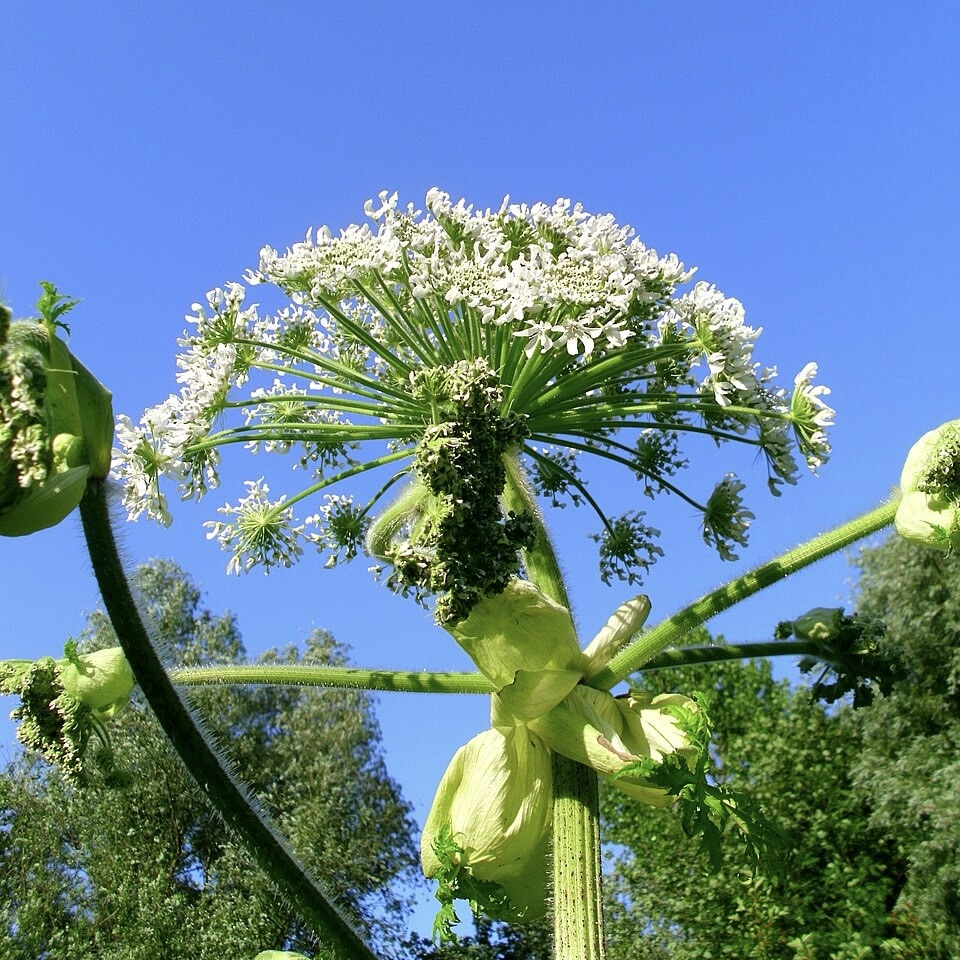
- Giant hogweed
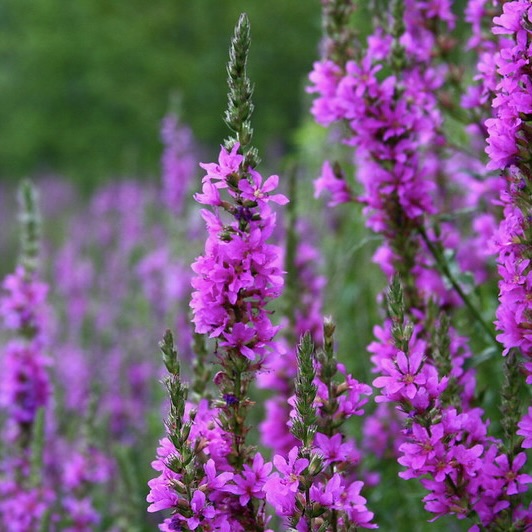
- Purple loosestrife
- Japanese knotweed
- Spurge laurel
- Yellow flag iris
Giant hogweed (Heracleum mantegazzianum) is particularly problematic because of how it impacts people. The sap from this plant can cause skin blistering, severe burns, or painful dermatitis if you’re exposed to the sun after touching it. So far it’s only been found in Squamish within the Sea-to-Sky region, so eradication of giant hogweed could be possible!
Another high-priority invasive plant in Squamish is purple loosestrife (Lythrum salicaria). Although visually appealing, this plant can reduce habitats and food for wildlife by outcompeting other native plants, and increase flood risk too.
You Can Help
- Visit our instagram post to learn the other high-priority invasive plants in Squamish.
- Take your time to familiarise yourself with these plants by visiting SSISC’s website.
- Report any sightings to help them to track and manage infestations of invasive species.
Banner photo: Purple loosestrife (Lythrum salicaria) by
Inset photos: Giant hogweed, by nature protector Natubico; www.vivism.info., via Wikimedia Commons CC BY-SA 3.0. Purple Loosestrife, by Liz West, via Flickr. CC BY 2.0.